Autumn Cross Stitch Review for Embroidery Projects
A Warm Welcome to Autumn Cross Stitch
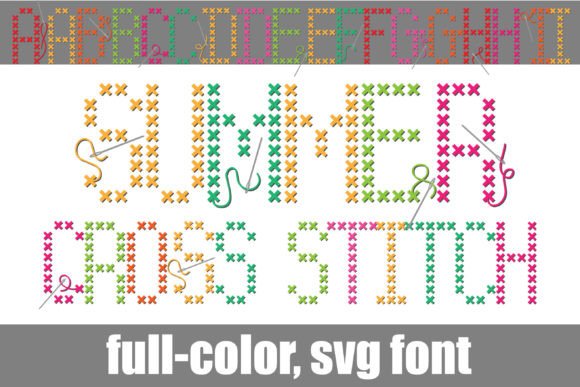
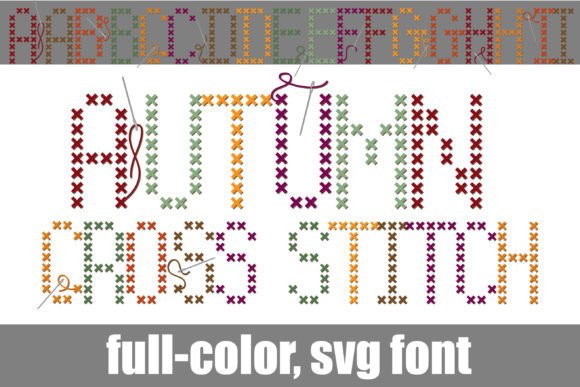
When I first opened the Autumn Cross Stitch design file, it immediately felt like stepping into a cozy fall morning. The cross stitch looking font in an autumn color palette instantly set a warm and inviting mood. With needles and thread subtly integrated into the uppercase letters, it feels like a celebration of the craft itself. This Color Fonts design is not just a font—it's a visual story that speaks to anyone who loves the tactile charm of embroidery.
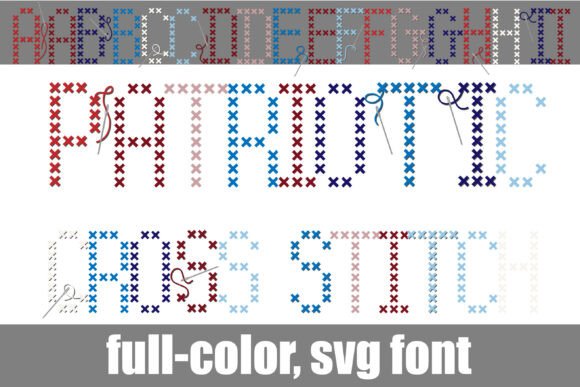
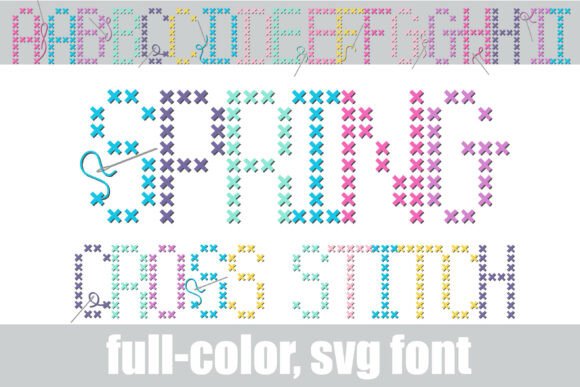
The alt case adds a nice touch with additional colors, giving more flexibility when designing for different fabric types or project themes. It’s clear this was crafted with intention, balancing aesthetics with functionality for real-life use.
How Autumn Cross Stitch Performs in Real Projects
I tested Autumn Cross Stitch on a custom embroidered tote bag for a small shop client. The result was impressive—each letter had a soft, hand-stitched look that complemented the natural texture of the canvas fabric. The autumn palette worked beautifully against the neutral background, making it feel like a seasonal statement piece.
This design shines in custom apparel like sweatshirts, t-shirts, and even baby clothes. Its clean lines and gentle curves make it ideal for embroidered patches, tote bag designs, and sweatshirt embroidery. For holiday gifts or nursery decor, it brings a comforting, personal touch that elevates any handmade product.
As an Etsy seller or craft business owner, you’ll appreciate how Autumn Cross Stitch can be used across various small shop products—from embroidered aprons to kitchen towels and pillow covers. It’s versatile enough to suit both personalized gifts and commercial embroidery projects without losing its character.
Where to Use Autumn Cross Stitch with Care
While Autumn Cross Stitch is a strong performer, there are some considerations. On small hoop sizes, the detail might get lost, especially if the text is too small. I found that using a hoop size of at least 5x7 inches gave the best results for clarity and stitch density.
For textured fabrics or thin fabric, adding a good stabilizer is essential to keep the design crisp. If you're working on curved surfaces like caps or stretchy fabric, testing the design on scrap fabric first will help avoid distortion. Also, dark fabric backgrounds may require adjusting thread colors to ensure visibility and contrast.
On layered garments or dense stitch areas, be mindful of the stitch density. While the running stitch elements are delicate, combining them with satin stitch or fill stitch can add depth but may affect the overall look if not balanced properly.
Design Notes for Embroidery Professionals
If you're considering Autumn Cross Stitch for your next project, here are a few practical steps:
- Test the design on scrap fabric before committing to a final product.
- Check thread color contrast against your chosen fabric to ensure readability.
- Review stitch density and adjust as needed for the fabric type.
- Confirm hoop size and layout for your specific project.
- Inspect small details closely, especially in the alt case.
- Test in black and white mockups to see how the design translates on different backgrounds.
- Use proper stabilizer to maintain shape and prevent puckering.
- Check licensing before selling finished items or digital products.
These steps ensure that Autumn Cross Stitch maintains its visual appeal and stitching clarity, which directly impacts the product value and customer trust in your handmade product.
Final Thoughts on Autumn Cross Stitch
Autumn Cross Stitch is a well-crafted machine embroidery design that feels right at home in both personalized gifts and commercial embroidery settings. Whether you’re creating embroidered patches, custom apparel, or digital embroidery files, this font brings a sense of warmth and craftsmanship to your work.
It’s a great addition to your design assets for craft business owners, handmade shop owners, or anyone looking to create printable mockups that stand out. Just remember to test, adjust, and always consider the fabric and context before finalizing your embroidery project.